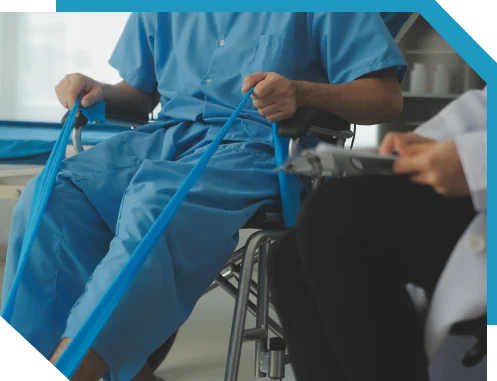
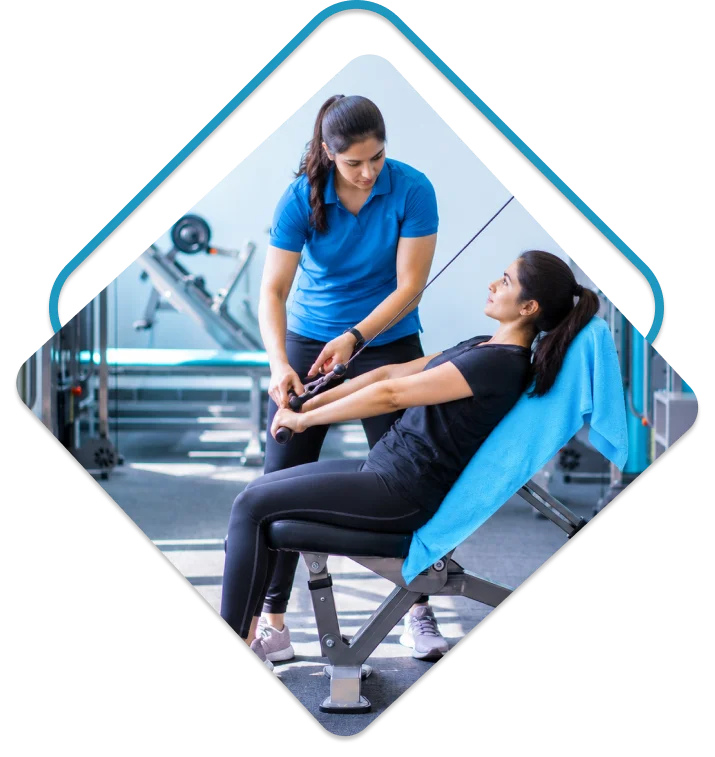
Guided, protocol-compliant rehabilitation starting day one after surgery to maximize surgical outcomes, prevent complications, and restore full function safely.
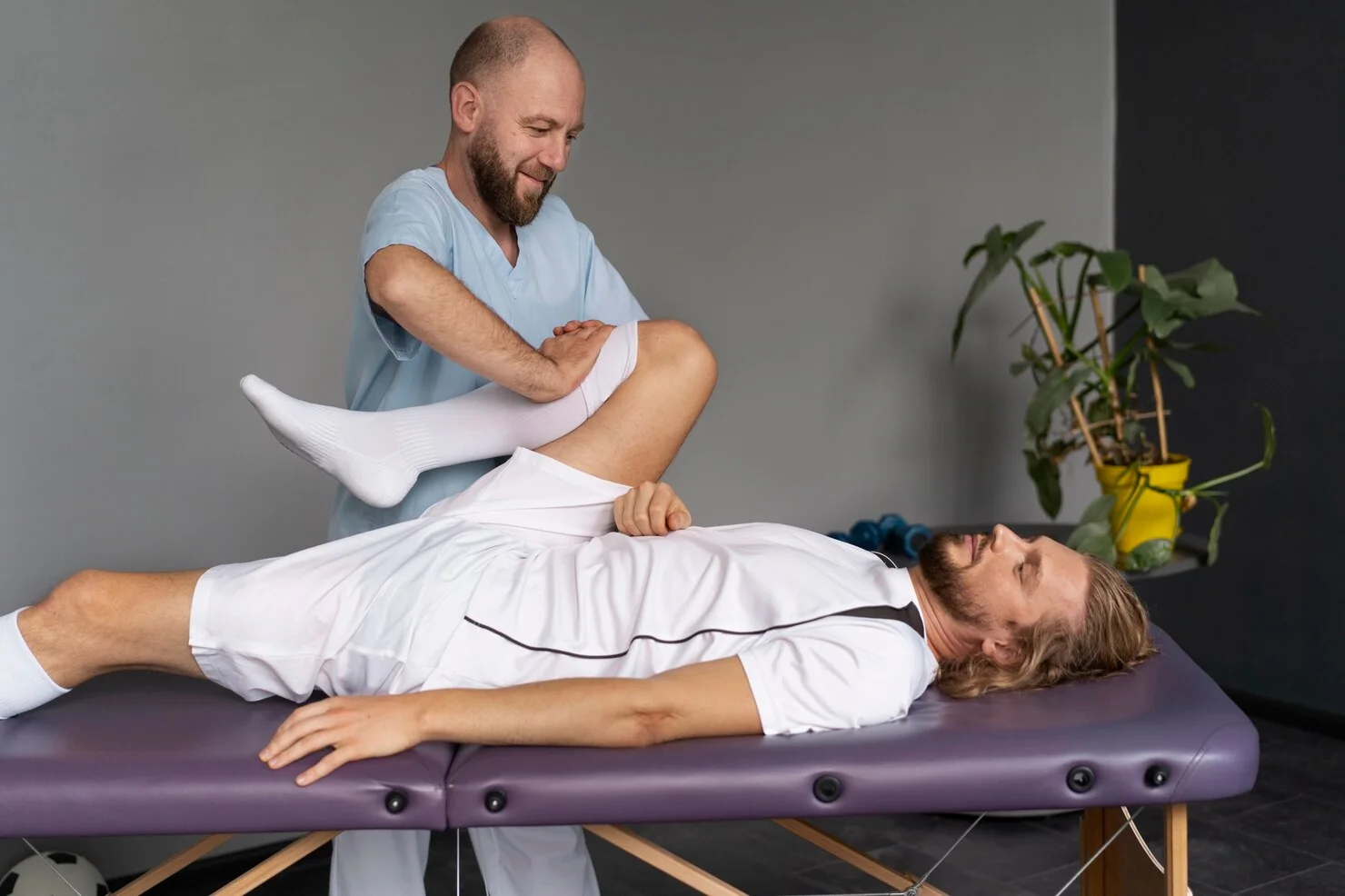
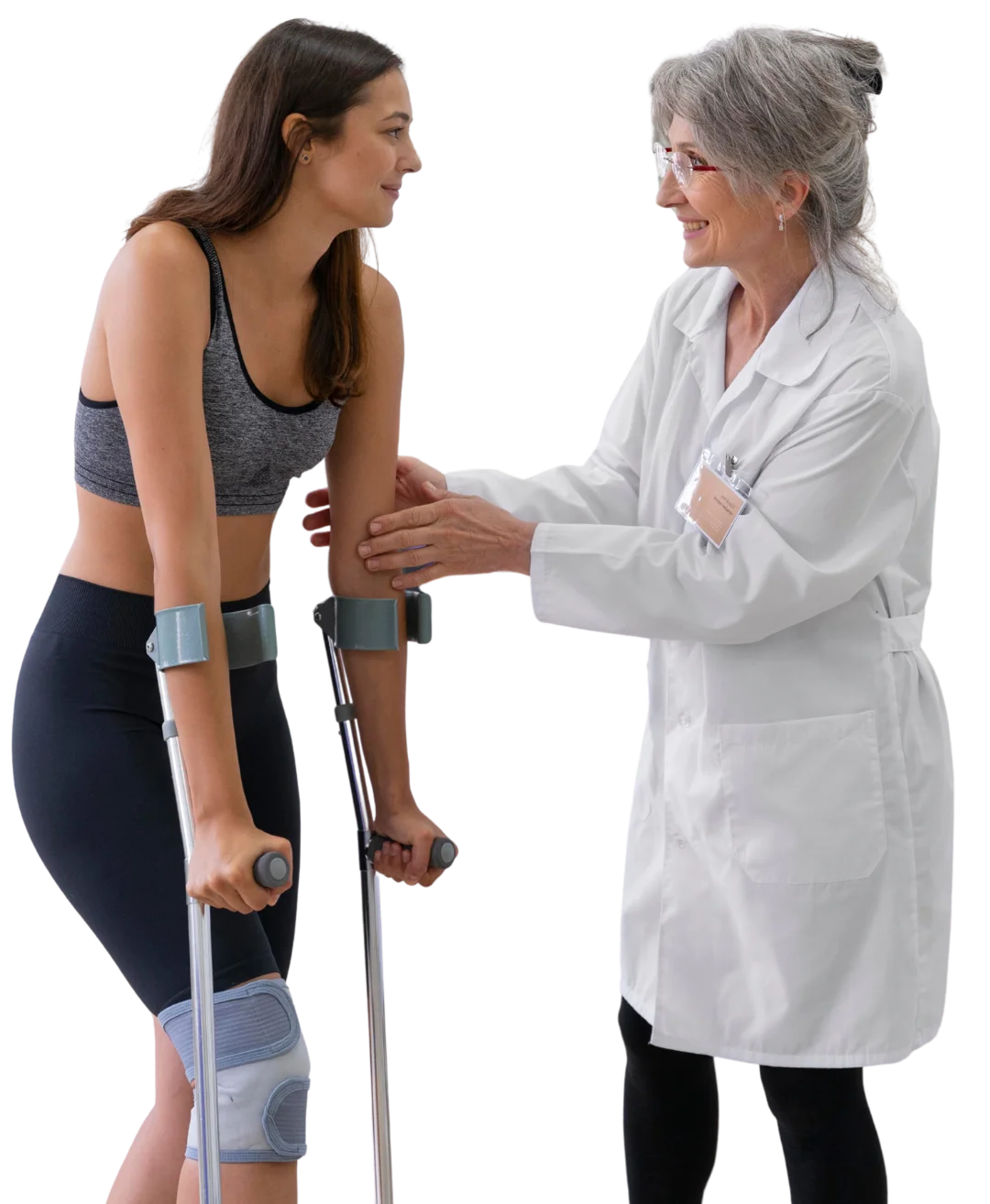
Our post-surgery rehabilitation follows your surgeon's exact protocol while using advanced pain control, progressive strengthening, and functional training to prevent common post-operative complications such as stiffness, weakness, and muscle atrophy. We coordinate closely with your surgical team to ensure full compliance while helping you safely return to normal activities, work, or sport.
This program is essential for patients recovering from orthopedic surgeries who want to maximize surgical results and avoid setbacks. You may benefit from our care if you've had
 ACL reconstruction or meniscus repair.
Knee or hip replacement.
Shoulder surgery.
Spinal surgery.
Ankle reconstruction or fracture fixation.
Persistent stiffness, swelling, or weakness 2+ weeks post-surgery.
Difficulty with basic movements like walking, climbing stairs, or reaching overhead.
ACL reconstruction or meniscus repair.
Knee or hip replacement.
Shoulder surgery.
Spinal surgery.
Ankle reconstruction or fracture fixation.
Persistent stiffness, swelling, or weakness 2+ weeks post-surgery.
Difficulty with basic movements like walking, climbing stairs, or reaching overhead.
Surgeon protocol review & medical clearance to align every session with your surgical team's timeline.
Early-phase pain & swelling control using cryotherapy, electrical stimulation, and gentle motion.
Progressive range-of-motion & gait training to restore normal walking and joint function.

Functional strengthening & return-to-activity program personalized to your work, daily life, or sport.

We blend these therapies into your post-op protocol for superior pain relief, scar tissue breakdown, and mobility restoration:
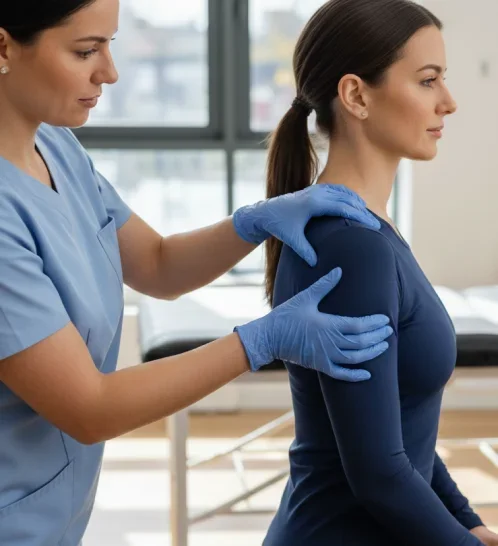
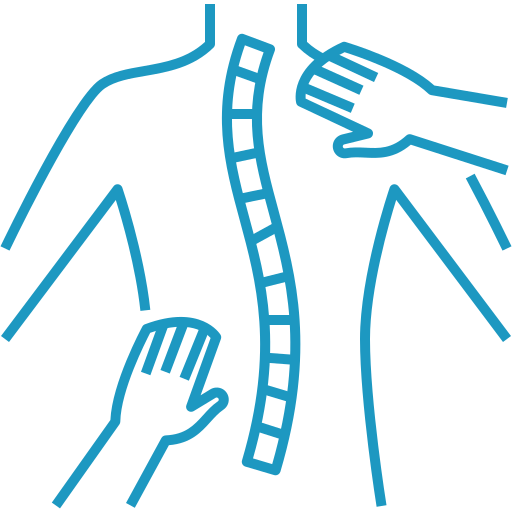
Eases surgical scarring and tight tissues in knees, hips, and shoulders for smoother recovery.
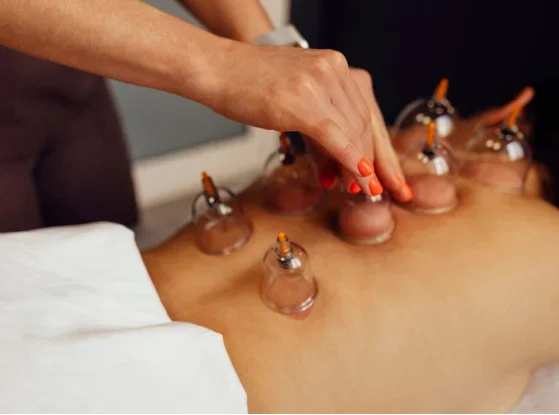
Drains excess fluid and eases muscle guarding after hip or spinal surgery.

Early intervention stops scar tissue formation and maintains full range of motion so you don't lose surgical gains.
Progressive strengthening preserves muscle mass lost during surgery and bed rest, ensuring faster strength recovery.

Protocol compliance and advanced pain control lower the risk of blood clots, infections, and revision surgery.
Walk without crutches, climb stairs independently, and resume work or driving weeks earlier than average.